How this workflow works
Chemical and hazardous-material labels must be selected from the actual container, chemical contact, temperature, cleaning process and applicable hazard-communication rules. A durable-looking label is not evidence that it will remain legible after real exposure.
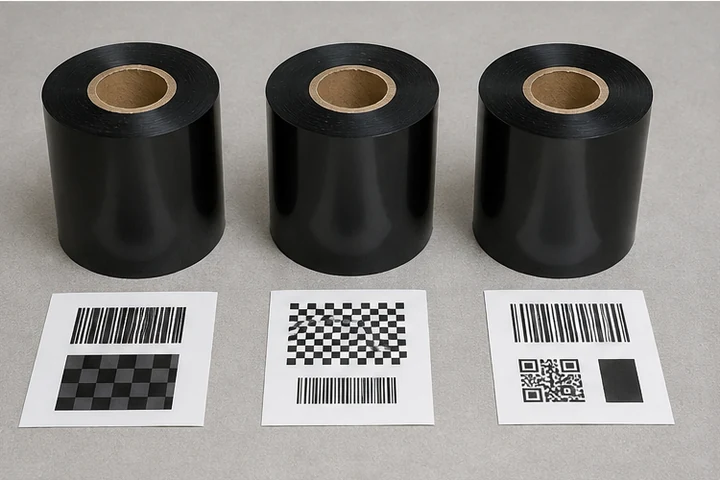
For harsh conditions, a qualified synthetic facestock with a matched thermal-transfer ribbon is often a reasonable starting point. The exact material, adhesive and ribbon should be tested as a system, using the relevant concentration, contact time and abrasion cycle.
Workflow checkpoints
- List the exposureDocument every chemical, concentration, temperature, contact duration, washdown and outdoor condition.
- Identify the containerRecord material, texture, curvature and application temperature for each drum, bottle or secondary container.
- Choose a testable constructionSelect material, adhesive and ribbon candidates from supplier documentation, then run a controlled sample test.
- Review label contentHave the responsible safety or compliance team verify hazard communication, language and jurisdiction-specific requirements.
Common failure points
Generic chemical-resistance claim
Resistance to one liquid or cleaner does not demonstrate resistance to another concentration or contact time.
Wrong adhesive for the container
Low-surface-energy plastics, moisture and temperature can affect bond performance independently of image durability.
Unverified hazard content
Thermal-printing guidance cannot replace local hazard-label requirements or a qualified safety review.
What to validate before rollout
- Test each chemical and cleaning agent separately on representative containers.
- Include rubbing, wet handling, temperature and UV exposure where relevant.
- Verify human-readable information and barcode scans after the full exposure cycle.
Primary reference starting points
Use the current source documents below alongside the exact printer, label and ribbon documentation for the intended deployment.
Selection framework
| Decision | Starting point |
|---|---|
| Facestock | Qualified polyester or specialty synthetic |
| Ribbon | Resin starting point for harsh exposure |
| Container | Adhesive matched to drum, bottle or container surface |
Validation checklist
- Test every chemical separately
- Include abrasion and cleaning cycles
- Review hazard-label rules for the target jurisdiction
Final recommendation
Request samples and test the exact printer, settings, ribbon, facestock and adhesive on the production surface. Verify barcode quality after the complete environmental cycle, not only immediately after printing.